Pressure Washing vs Soft Washing: Which Is Safer for Tiles?
The debate over pressure washing versus soft washing usually gets framed around speed and appearance. The more revealing way to judge it is to ask what each does to the tile itself, because the tile is what you are trying to protect and what you will pay to replace if cleaning goes wrong. Looked at through the lens of tile safety, the two methods diverge sharply, and the differences vary by the material your roof is made of.
This guide compares pressure washing and soft washing specifically in terms of tile safety, looking at how each affects concrete, clay, and slate, and why the gentler method is the safer bet across all of them.
The Core Difference in How They Treat a Tile
Pressure washing removes growth by force, driving high-pressure water at the tile to blast moss and algae away. Soft washing removes the same growth gently, using low pressure or no-contact methods and water-based cleaning that lifts the growth without hammering the surface.
That difference in force is the whole story where tiles are concerned. Force does not discriminate between the moss and the tile beneath it, so a jet powerful enough to strip growth quickly is also powerful enough to strip, erode, or crack the tile. Soft washing sidesteps this by not relying on force at all, which is why it protects the surface that pressure washing puts at risk.
How Each Method Affects Different Tiles
Roof tiles are not all the same, and their vulnerabilities to pressure differ.
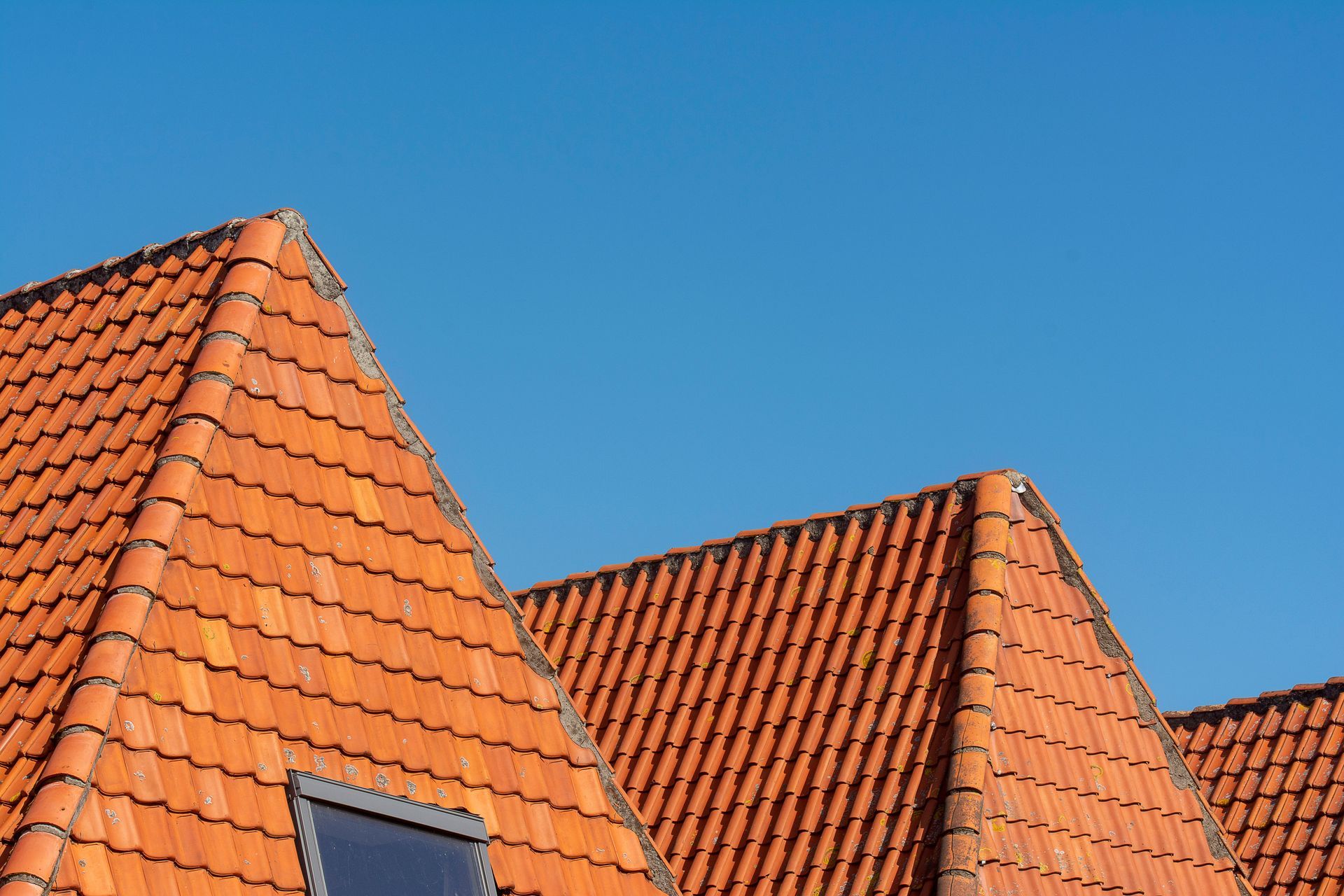
Concrete tiles. These are made with a surface coating that helps them shed water and resist growth. High-pressure water erodes that coating, leaving the tile more porous, which makes it hold more water and grow moss back faster. Concrete tiles are especially poorly served by pressure washing because the very thing that protects them is the thing pressure strips away.
Clay tiles. Clay can be dense but its surface can still be pitted and worn by high pressure, and older clay tiles may be brittle. Pressure risks damaging the face and dislodging or cracking aged tiles. Soft washing cleans them without that abrasion.
Slate. Natural slate can delaminate, splitting along its layers, and high-pressure water can worsen this on weathered slate, as well as loosening fixings. A gentle approach avoids driving water into the layers and stressing the material.
Across all three, the pattern is consistent: pressure exploits each material's particular weakness, while soft washing avoids applying the force that does the damage. This is why a method gentle enough to suit every tile type is safer than one that must be judged tile by tile. The inspection and patch test confirm the material and condition so a
Roof Cleaning is matched to it.
Warning: Weathered and older tiles of any material are the most vulnerable to pressure damage, and they are often the ones most in need of cleaning because they have collected the most growth. This is the trap of pressure washing: it is most tempting on exactly the roofs it is most likely to harm. On an ageing roof especially, gentle cleaning is the safer path.
The Hidden Costs of Pressure on Tiles
Beyond immediate cracking, pressure washing carries slower-acting costs to tiles that show up later. A stripped or eroded surface holds more water and grows moss back faster, so a pressure-washed roof often needs cleaning again sooner, and each aggressive clean erodes the tile further. Water forced under the laps can reach the timber, turning a cosmetic clean into a damp problem. Dislodged mortar on ridges and hips can loosen tiles and open routes for water.
Soft washing avoids all of these. By leaving the surface intact, it keeps the tile shedding water as intended and resisting regrowth, and it does not drive water inside or disturb mortar. Paired with a non-toxic biocide, it also slows the return of growth, so the roof stays clean longer without repeated aggressive cleaning. Keeping the roofline clear with
Gutter Cleaning supports this by reducing the damp that feeds regrowth. In our 15 years on Sussex roofs, the tiles that last are the gently cleaned ones.
Soft washing is safer for roof tiles than pressure washing. High-pressure water can strip the surface coating from concrete tiles, erode the face of clay and slate, force water under the laps, and crack weathered tiles. Soft washing removes growth gently without that force, protecting the tile surface whatever the material. Because different tiles have different vulnerabilities, a gentle method that suits them all is the safer choice.
Frequently Asked Questions
Does pressure washing damage all types of roof tile?
It carries risks for all common tile types, though the specific damage varies. It erodes the protective coating on concrete tiles, can pit and crack clay, and can worsen delamination on slate. Weathered and older tiles of any material are most vulnerable. Because pressure exploits each material's particular weakness, a gentle method that suits them all is the safer choice across the board.
Is soft washing effective enough to replace pressure washing?
Yes. Soft washing removes moss, algae, and lichen thoroughly by lifting the growth rather than blasting it, so it cleans effectively without the force. Because it leaves the tile surface intact, the roof also resists regrowth better afterwards, and a biocide slows the return further. It achieves the clean that pressure washing does, without the tile damage.
My roof was pressure washed before and seemed fine. Was it damaged?
Some pressure-washing damage is immediate, such as cracked tiles, but much of it is gradual, a stripped coating that leaves the tile more porous and quicker to regrow moss. A roof can look clean straight after a pressure wash yet be more vulnerable underneath. If your roof was pressure washed, an inspection can assess the surface condition and whether the coating has been eroded.
Can any tile safely be pressure washed?
On a tiled roof, high pressure is best avoided across the board because of the risks to the surface, the laps, and the mortar. Some hard ground surfaces tolerate pressure washing, but a roof's layered, coated tiles do not. The safest general rule for roof tiles is to keep high pressure off them and use gentle, water-based cleaning instead.
How do I make sure my tiles are cleaned safely?
Choose soft washing over pressure washing, and confirm the cleaner works without walking the roof, starts with an inspection and patch test, and uses gentle water-based methods. The patch test in particular confirms how your specific tiles respond before the full clean. These safeguards protect the tile surface whatever material your roof is made of.
Protect your tiles, whatever the material — Book a gentle soft-wash clean matched to concrete, clay, or slate. Ben's Roof Cleaning confirms your tile type with a free inspection and patch test. Call 0189 235 4214.
Gentle Suits Every Tile
Judged on tile safety, pressure washing and soft washing are not close. Pressure exploits the particular weakness of whatever material your roof is made of, eroding the coating on concrete, pitting and cracking clay, worsening delamination on slate, and it is most tempting on the ageing roofs it is most likely to harm. Soft washing removes the same growth without that force, protecting the surface across every tile type and, with a biocide, slowing regrowth too. Because it suits all tiles rather than gambling on which can survive a blast, soft washing is the safer choice for the part of the roof that matters most: the tiles themselves.