Chimney, Flashing and Valley Debris on Tunbridge Wells Roofs
Walk around almost any street in Tunbridge Wells, from the tile-hung villas near Mount Sion to the chimney pots lining the roofs of Rusthall and Southborough, and you will see just how many junctions, joints, and features break up the average roofline. Chimneys, flashing, and valleys are exactly the points where debris collects fastest and where problems, when they develop, tend to start. Roof cleaning Tunbridge Wells homeowners book for the main tiled surface often overlooks these smaller features, even though they are frequently where a roof's real vulnerabilities sit.
This guide explains why chimneys, flashing, and valleys need their own attention during a roof clean, what tends to collect there in a town surrounded by as much woodland as Tunbridge Wells, and how neglecting these areas can lead to bigger problems than moss on an open tile surface ever would.
The quick answer: chimneys, flashing, and valleys should be checked and cleared every time a roof is cleaned, since they trap far more leaves, moss, and grit than open tile areas and are the most common starting point for leaks when debris builds up unnoticed.
1. Why these features collect more debris than open tile areas
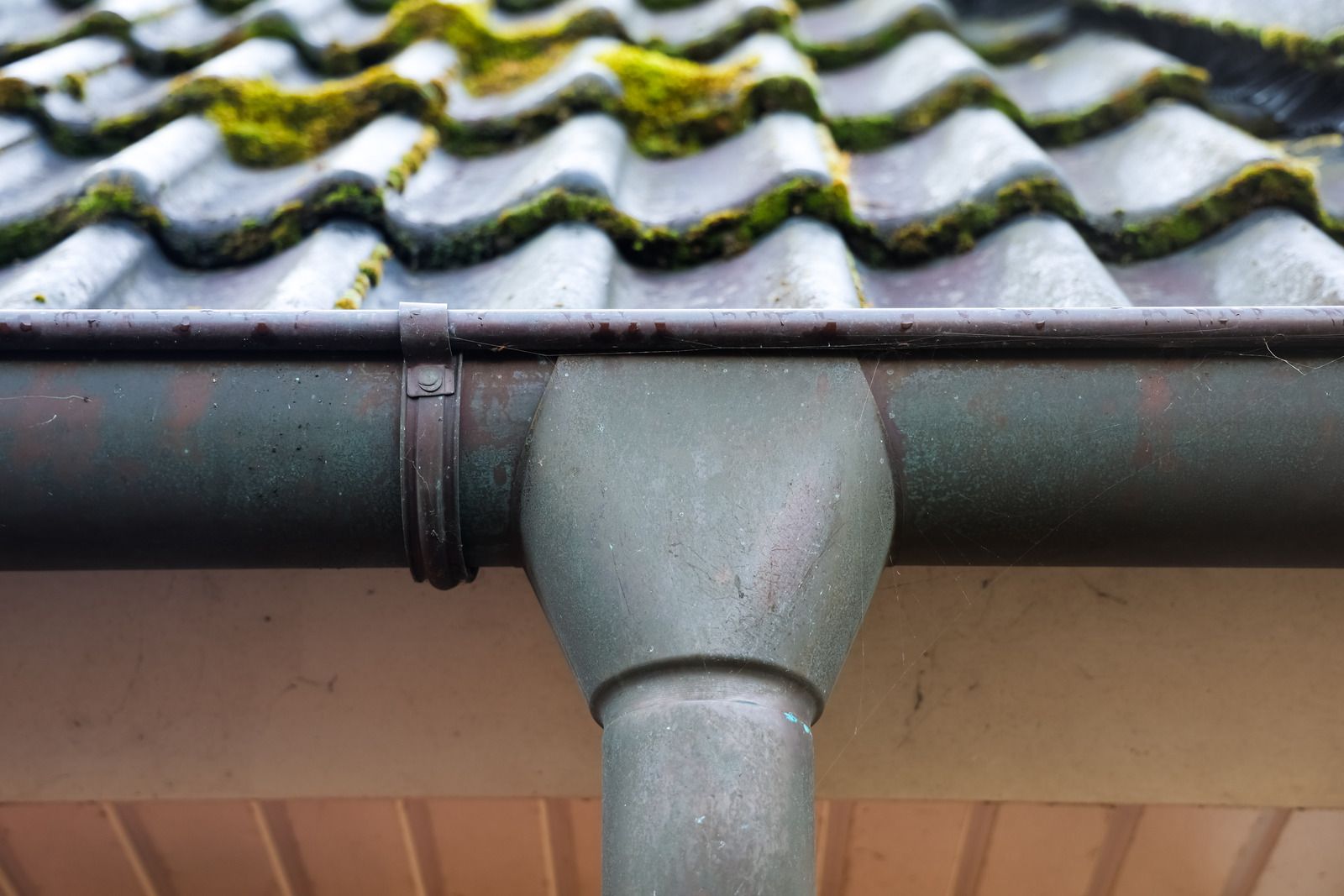
A valley, where two roof pitches meet, or the base of a chimney stack, creates a natural low point where water, leaves, and moss all converge. Unlike an open, sloped tile surface that sheds debris relatively freely, these junctions catch material and hold it in place, especially once moss has begun to establish and create a mat that traps everything landing on top of it. Flashing, the metal or lead strips sealing the join between a chimney or wall and the surrounding tiles, sits at exactly this kind of low, sheltered point too.
In a town with Tunbridge Wells' level of tree cover, this effect is magnified considerably. Leaves and twigs that would simply blow off an open roof pitch tend to settle and stay in a valley or against a chimney base, building up over successive autumns if never cleared.
2. Chimneys: more than just a visual feature
Chimney stacks are common across Tunbridge Wells' Victorian and Edwardian housing stock, often standing tall above tile-hung gables and contributing significantly to a roofline's character. Functionally, though, a chimney is a major interruption in an otherwise continuous roof surface, and the point where it meets the tiles is sealed with flashing rather than tiles themselves. Debris collecting around the base of a chimney, particularly on the side that faces prevailing wind and rain, can sit against this flashing for months, retaining moisture against a seal that was never designed to stay wet indefinitely.
Moss growing directly against a chimney base is also more likely to be missed during a casual glance at the roof from the ground, since the chimney itself can obscure the view of what is happening immediately around it.
3. Flashing: the roof's most vulnerable seal
Flashing exists specifically to seal the gaps a tile pattern alone cannot cover, around chimneys, at the join between a roof and a wall, and along the tops of dormer windows. It is a relatively thin, workable material, and while it is designed to last for many years, a build-up of moss or trapped debris held against it accelerates wear in a way that clean, dry flashing does not experience. Once moisture sits against flashing for extended periods, particularly through a damp Tunbridge Wells winter, the risk of a small gap developing into a genuine leak increases meaningfully.
Checking flashing during a roof clean, rather than treating a wash as purely cosmetic, is one of the more overlooked but genuinely useful parts of a thorough visit.
4. Valleys: where two roof pitches, and two debris streams, meet
A valley collects the runoff and debris from two roof pitches rather than one, which makes it one of the busiest points on any roof. On the more complex Victorian and Edwardian rooflines common around Tunbridge Wells, with their gables, bays, and varied pitches, valleys are a frequent feature rather than an exception. Moss and leaf litter gathering in a valley does not just sit there passively either. Over time it can dam the flow of water down the valley, forcing it sideways under the tiles at the edges instead of down towards the gutter where it belongs.
This kind of blockage is often invisible from ground level and only becomes obvious once a damp patch appears on a ceiling below, by which point water has usually been finding its way under the tiles for some time.

5. Why Tunbridge Wells' tree cover makes this a bigger issue locally
The High Weald's dense woodland, one of the most heavily wooded landscapes in the country, means chimneys, flashing, and valleys in Tunbridge Wells collect a genuinely higher volume of organic debris than the same features would on a roof in a more open, treeless town. Streets close to the Common, or tucked into the wooded lanes around Rusthall and Langton Green, tend to see this effect most strongly. Our guide on lichen on north-facing roofs in Tunbridge Wells goes into more detail on how shaded, tree-covered conditions accelerate growth in exactly these kinds of low, sheltered spots.
Because moss growth follows a seasonal pattern rather than building up at a constant rate, understanding when it is most likely to establish in these vulnerable points also helps with timing a clean effectively. Our piece on the moss growth cycle in Tunbridge Wells covers this in more depth and is a useful companion when planning maintenance around these features.
6. Signs of trouble around chimneys, flashing, and valleys
- Moss cushions building up at a chimney base: often the first visible sign that debris and moisture are collecting against flashing.
- A visible dip or dark line running down a valley: can indicate moss or debris beginning to dam the water flow.
- Damp patches on ceilings below a valley or chimney breast: a strong indicator that water is finding its way under tiles at one of these junctions.
- Grit or granules collecting at the base of a valley: a sign of debris accumulation that will worsen if left through another wet season.
- Discoloured or lifting flashing: worth a closer look, as prolonged moisture contact can accelerate wear over time.
7. Why these areas need a gentle approach, especially on period roofs
Many of Tunbridge Wells' chimneys and flashing details sit on period properties with tile-hung elevations and older lead or mortar work, where an aggressive, high-pressure clean risks doing more harm than the moss it is meant to remove. A gentle, careful approach around these features protects both the flashing itself and the surrounding tiles, particularly on the kind of Victorian and Edwardian roofs discussed in our guide to cleaning Tunbridge Wells' Victorian roofs and tile-hanging. Removing debris by hand or with low-pressure methods, rather than blasting it away, keeps these more delicate junctions intact while still clearing the build-up that causes problems.
8. Making chimney, flashing, and valley checks part of every roof clean
Because these features are where problems most often start, they deserve specific attention every time a roof clean is carried out, rather than being an afterthought once the open tile areas look presentable. A thorough visit should include clearing debris from valleys, checking around chimney bases, and confirming flashing is free of trapped moss or leaves, not just washing the visible tile surface. This is a small addition to the overall job but addresses the areas most likely to cause a leak if left unchecked through another Tunbridge Wells winter.
Frequently Asked Questions
Why do valleys and chimney bases collect more moss than the rest of the roof?
These are low points where water, leaves, and grit naturally gather rather than shedding off the roof, and once moss establishes it traps even more debris on top of it.
Can debris in a valley really cause a leak?
Yes. A build-up of moss or leaves can dam the flow of water, forcing it sideways under tile edges instead of down towards the gutter, which is a common cause of damp patches appearing on ceilings.
Is flashing something I should check myself?
A ground-level visual check with binoculars can spot obvious moss build-up or lifting flashing, but a proper inspection is best done as part of a full roof clean rather than attempted from a ladder.
Does cleaning around a chimney require a different approach to the rest of the roof?
Yes, generally a gentler one. Flashing and the tiles immediately around a chimney are more delicate junctions, so debris is best removed carefully rather than with high pressure.
What does roof cleaning that includes chimney and valley checks typically cost in Tunbridge Wells?
Costs vary with the complexity of the roofline, the number of valleys and chimneys, and general accessibility, so there is no single fixed rate. A local visit gives the most accurate estimate.
How often should chimneys and valleys be checked for debris?
At every roof clean, and ideally with an additional ground-level check after the autumn leaf fall, since these features can collect a season's worth of debris faster than open tile areas.
Worried about debris around your chimney or valleys?
Ben's Roof Cleaning has cleared chimneys, flashing, and valleys across Tunbridge Wells and the surrounding villages for over 15 years. Get in touch or call 0189 235 4214
for a free, no-obligation quote.
The smallest parts of a roof cause the biggest problems when ignored
Chimneys, flashing, and valleys rarely get the attention they deserve during a casual glance at a roof, yet they are consistently where leaks and lasting damage begin. In a town as heavily wooded as Tunbridge Wells, these low, sheltered junctions collect debris faster than open tile surfaces ever will, making them the areas most worth checking every time a roof is cleaned. A little focused attention on these small features does more to protect a roof, and the rooms beneath it, than any amount of work on the open tiles alone.