Autumn and Winter Roof and Gutter Prep for Tunbridge Wells Homes
As the leaves start turning across Tunbridge Wells and the High Weald, roofs and gutters quietly move into the busiest season of their year. Good gutter cleaning Tunbridge Wells homeowners carry out before the worst of the leaf fall arrives makes a real difference to how a house copes with the wet, windy months ahead. With so much mature woodland surrounding the town, from the Common down through Rusthall and out towards Langton Green, gutters here collect far more debris each autumn than a roof on an open, treeless plot ever would.
This guide walks through a sensible autumn and winter preparation routine for roofs and gutters in Tunbridge Wells, covering what to check, when to check it, and why the town's tree cover and damp climate make this seasonal work particularly worthwhile here.
The quick answer: clear gutters once after the main autumn leaf fall has finished (typically late October to November) and again in late winter, check downpipes and outlets for blockages before the heaviest rain arrives, and have any moss or algae addressed before winter damp gives it a head start.
1. Why autumn hits Tunbridge Wells roofs harder than most towns
Tunbridge Wells sits at the northern edge of the High Weald, a landscape with one of the highest levels of woodland cover found anywhere in the country. That density of trees is a wonderful part of living here, but every October and November it means a genuinely heavy volume of leaves, twigs, and seed pods landing on roofs and running straight into gutters. Streets close to the Common, or near the wooded lanes around Rusthall and Langton Green, tend to see the largest volumes of leaf litter, while more open roads towards Pembury generally cope with less.
This seasonal debris does two things at once. It physically blocks gutters and downpipes, and it also creates a damp, organic layer on the roof surface itself that gives moss and algae an easy foothold heading into winter, exactly when the roof gets the least chance to dry out.
2. Clearing gutters before the leaves finish falling is only half the job
Many homeowners clear their gutters once in fine October weather, only to find them blocked again by December once the last leaves have come down from slower-shedding trees such as oak and beech. A more reliable approach is to wait until the bulk of the leaf fall has genuinely finished, usually by mid to late November in this part of Kent, before doing the main clear-out. A second check in late winter then catches anything that has settled since, along with moss clumps that may have washed down from the roof during heavy rain.
Downpipes deserve the same attention as the gutter run itself. A gutter that looks clear from the ground can still have a blocked outlet or downpipe further down, which causes water to back up and overflow exactly where you would not expect it.

3. Why overflowing gutters cause more damage in winter
Blocked gutters are a nuisance at any time of year, but the consequences are more serious in winter. Overflowing water running down external walls saturates brickwork, render, and pointing at exactly the point in the year when freezing temperatures can turn that trapped moisture into frost damage. On Tunbridge Wells' many Victorian and Edwardian properties, where tile-hung elevations and older brickwork are common, this kind of repeated winter saturation can accelerate wear that would otherwise take years to show. A clear gutter run simply directs water away from the building the way it was designed to.
Ground-level pooling from an overflowing gutter can also affect paths, driveways, and foundations over time, particularly during the sustained wet spells that are typical of a South East England winter.
4. Checking the roof itself before the wet season sets in
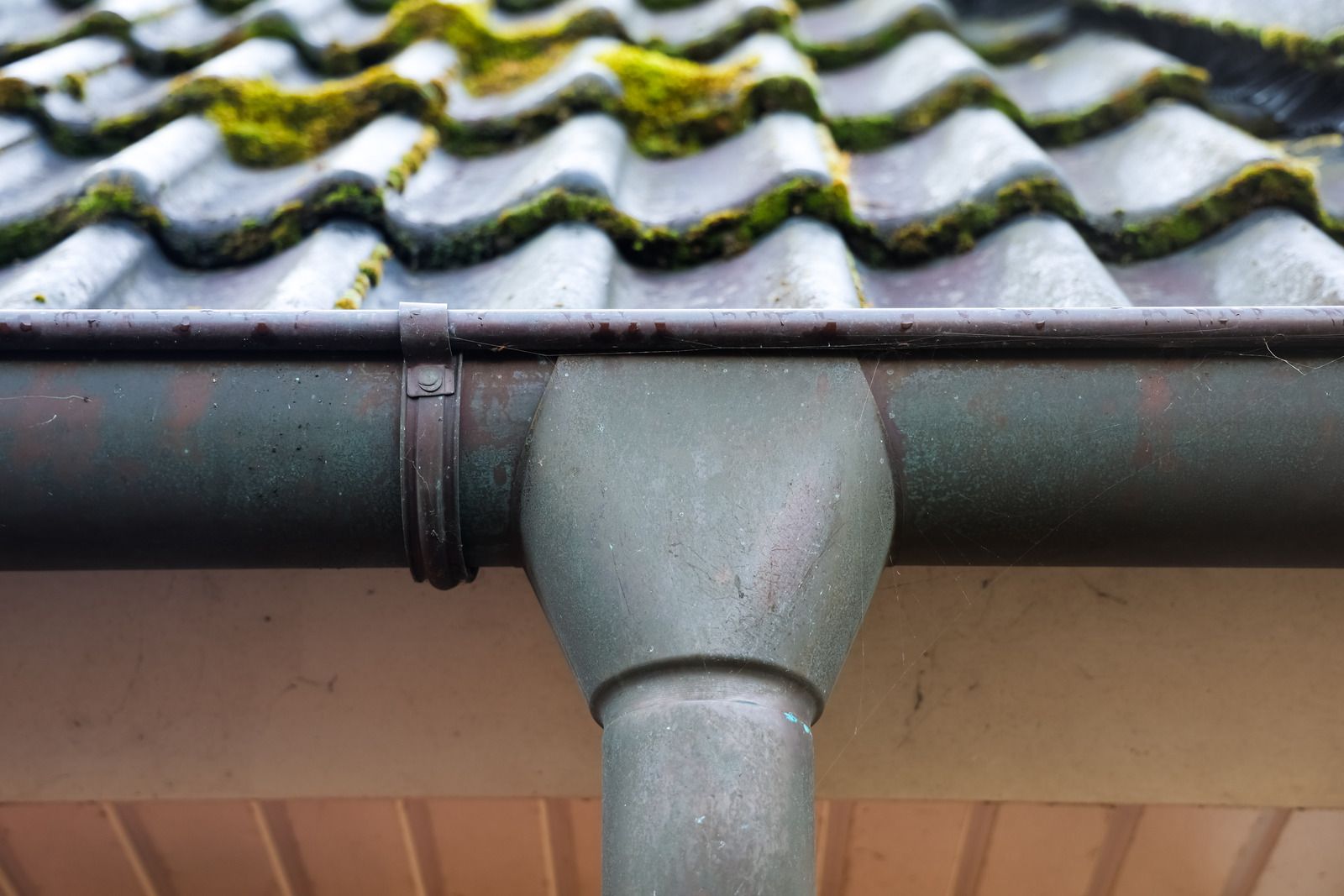
Autumn is a sensible time to look over the roof surface, ideally from ground level with a pair of binoculars rather than by climbing a ladder. Look for moss cushions building up along ridge lines and tile edges, any dark green or grey-green staining that suggests algae, and loose debris caught in valleys or around chimney bases. Anything spotted now is far easier and safer to deal with before winter rain and cold set in than once the roof is wet and slippery through December and January.
If moss or algae has already established, addressing it before winter rather than after gives the roof the best chance to dry out and recover before the coldest, dampest months arrive. Growth left in place over winter tends to spread rather than stay static, since the very conditions that develop through a Tunbridge Wells winter, steady rain and low light, are exactly what moss favours. Our piece on the moss growth cycle in Tunbridge Wells explains why this seasonal timing matters so much.
5. Trees, gills, and why some streets need more frequent attention
The High Weald's steep, wooded valleys, known locally as gills, create sheltered pockets where humid air lingers well after the rain has stopped. Homes tucked into these settings, particularly around Rusthall and the leafier stretches of Southborough, tend to hold onto damp longer through autumn and winter than properties on more open, elevated roads. If your home sits under mature trees or backs onto woodland, it is worth reading why High Weald roofs in Tunbridge Wells need special care, since the same tree cover that drives autumn leaf fall into your gutters is also what keeps your roof damp for longer through the winter months.
Homeowners in these more sheltered, wooded spots often find that an extra gutter check partway through winter, rather than just the two seasonal visits, pays for itself in avoided overflow and damp.
6. Checking flashing, valleys, and joints before the heaviest rain
Autumn is also a good moment to have flashing around chimneys, valleys between roof pitches, and any joints where the roof meets a wall checked for debris build-up. These are the points where water is concentrated and channelled away, and a build-up of moss, leaves, or grit here can direct water somewhere it should not go, including under tiles or towards timber that was never meant to get wet. Clearing this debris as part of an autumn roof check is a simple step that reduces the chance of a winter leak developing unnoticed.
7. A simple seasonal checklist
Putting the above together, a practical autumn and winter routine for a Tunbridge Wells home looks like this:
- Late October to November: clear gutters and downpipes once the bulk of the leaf fall has finished.
- Same visit: check flashing, valleys, and chimney bases for trapped debris.
- Before winter sets in: address any visible moss or algae so the roof heads into winter as dry and clear as possible.
- Late winter: a second gutter check to clear anything that has settled since autumn.
- Throughout the season: a ground-level visual check after any particularly heavy storm.
8. Getting the timing right matters more than the effort itself
None of these tasks are especially difficult on their own, but doing them at the right point in the season is what makes the difference. Clearing gutters too early means redoing the work once the last leaves fall, while leaving a damp, mossy roof unaddressed through winter gives growth months to spread before you get another good opportunity to deal with it in spring. A property with good kerb appeal in Tunbridge Wells often has this seasonal rhythm behind it, as covered in more depth in our guide on kerb appeal for period homes in Tunbridge Wells.
Frequently Asked Questions
When is the best time for gutter cleaning in Tunbridge Wells?
Aim for late October to November once most of the leaf fall has finished, then a second check in late winter to clear anything that has settled since.
Do I need to clear gutters twice, or is once in autumn enough?
Twice is more reliable. A single autumn clear often misses late-falling leaves from trees such as oak, and a late winter check catches anything that has built up over the colder months.
Should moss be removed before or after winter?
Before, where possible. Winter's steady rain and low light are exactly the conditions moss favours, so addressing growth in autumn gives the roof a better chance to stay in good condition through the wettest months.
What does gutter cleaning in Tunbridge Wells typically cost?
It depends on the size of the property, the number of downpipes, and how accessible the gutters are, so costs vary from property to property rather than following a fixed rate. A local visit gives the most accurate picture.
Can blocked gutters really damage a house?
Yes. Overflowing water running down walls can saturate brickwork, render, and pointing, and in cold weather that trapped moisture can contribute to frost damage over time, particularly on older properties.
Is it worth checking the roof if I cannot see any obvious problems?
Yes. A ground-level check with binoculars often reveals early moss or debris build-up around valleys and chimneys well before it would be obvious from a quick glance at the house.
Ready for the wet season?
Ben's Roof Cleaning has helped homeowners across Tunbridge Wells and the surrounding villages prepare their roofs and gutters for autumn and winter for over 15 years. Get in touch or call 0189 235 4214
for a free, no-obligation quote.
A little preparation now saves a difficult winter later
Tunbridge Wells' trees, hills, and damp climate are part of what makes the town such an attractive place to live, but they also mean roofs and gutters here need a proper seasonal routine rather than an occasional glance. Clearing gutters at the right moments, checking flashing and valleys for trapped debris, and addressing any moss before the wettest months arrive is a modest amount of effort that protects the roof, the walls, and the rest of the house through the toughest part of the year.